


BATHTIMES BLUES TECHNIQUES
October 2, 2016
Things to Know About Swimmer’s Ear
June 24, 2020
La Petite Baleen has been teaching young children to swim for over 40 years. We’re well known for our unique child-development approach to swimming. Co-founders, Irene Madrid and John Kolbisen have backgrounds in education as lifetime credentialed school teachers. Hence, our innovative aquatic classroom® is geared toward creating an individualized learning experience for each child.
Among other things, LPB is one of the first programs to use fins and goggles as learning tools. We revolutionized once-a-week, year-round, group swimming lessons, now considered mainstream in the learn-to-swim industry. It’s not ironic that our flagship location in Half Moon Bay is just down the street from Maverick’s surf break….we’re definitely considered “mavericks” in the swimming world!
Here are some other child-development activities we do in our lessons, and why we do them:
- Motor Boat: Provides vestibular feedback to the brain, promoting self control (waiting your turn) and the ability to fall from a higher height without panicking.
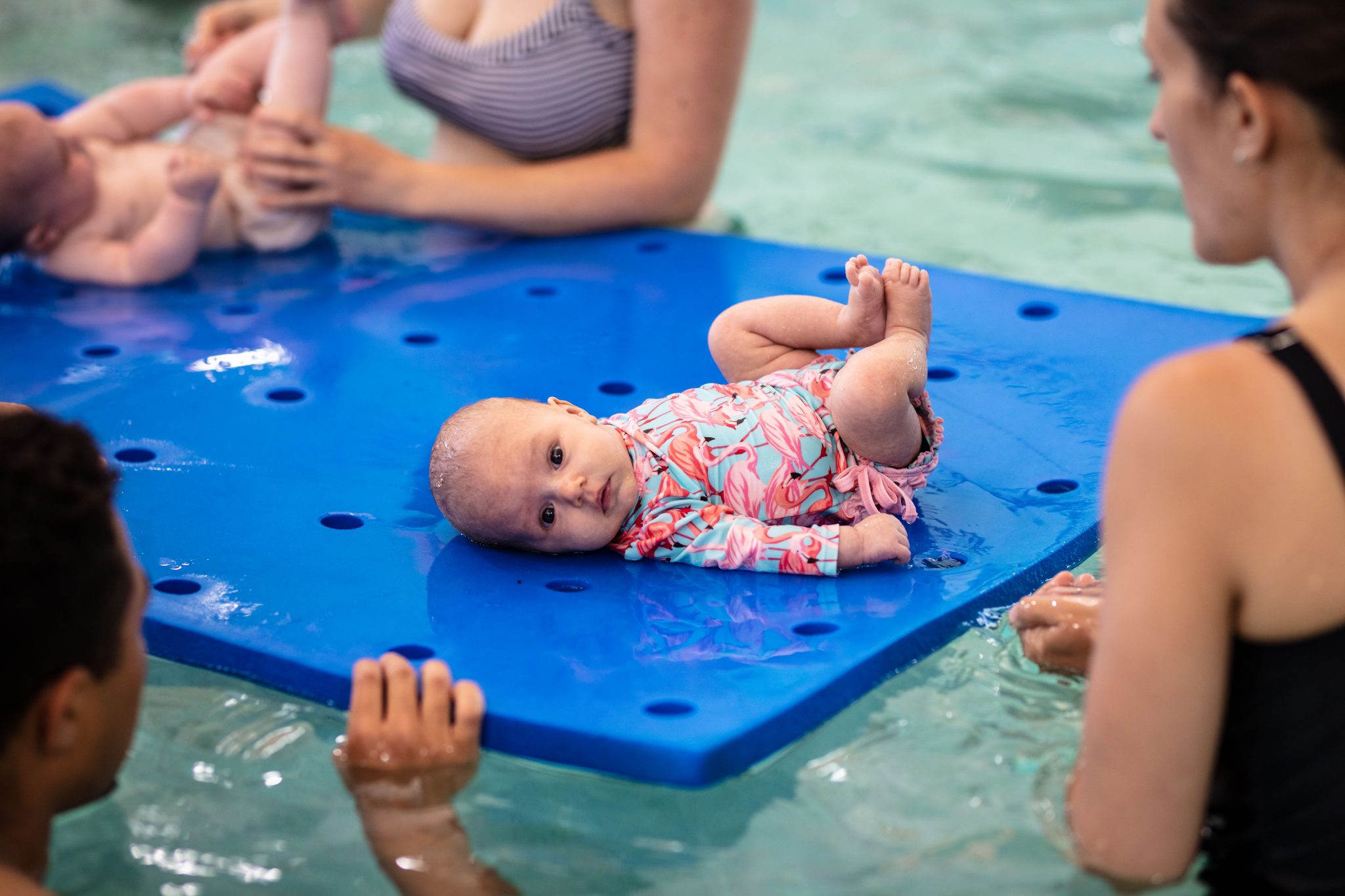
- Magic Carpet: Tummy time strengthens the neck and back muscles as well as social skill development.
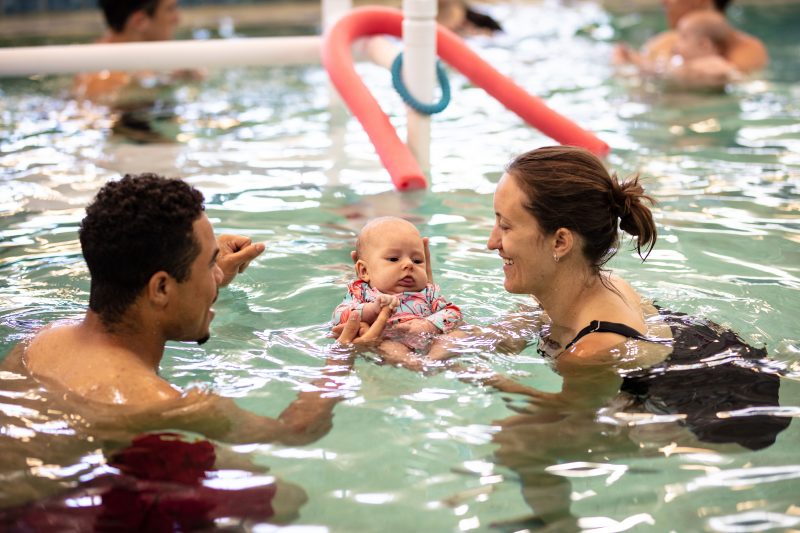
- Tunnel Time: Separation and independence as well as social referencing through eye contact
- Dog Paddle: Bilateral movements like dog paddle and flutter kicks use both sides of the brain at the same time. This motor development increases body awareness and ability to cross the mid-line.
- Climbing Out: In addition to being one of our major safety skills, elbow-elbow-tummy-knee-knee builds core strength
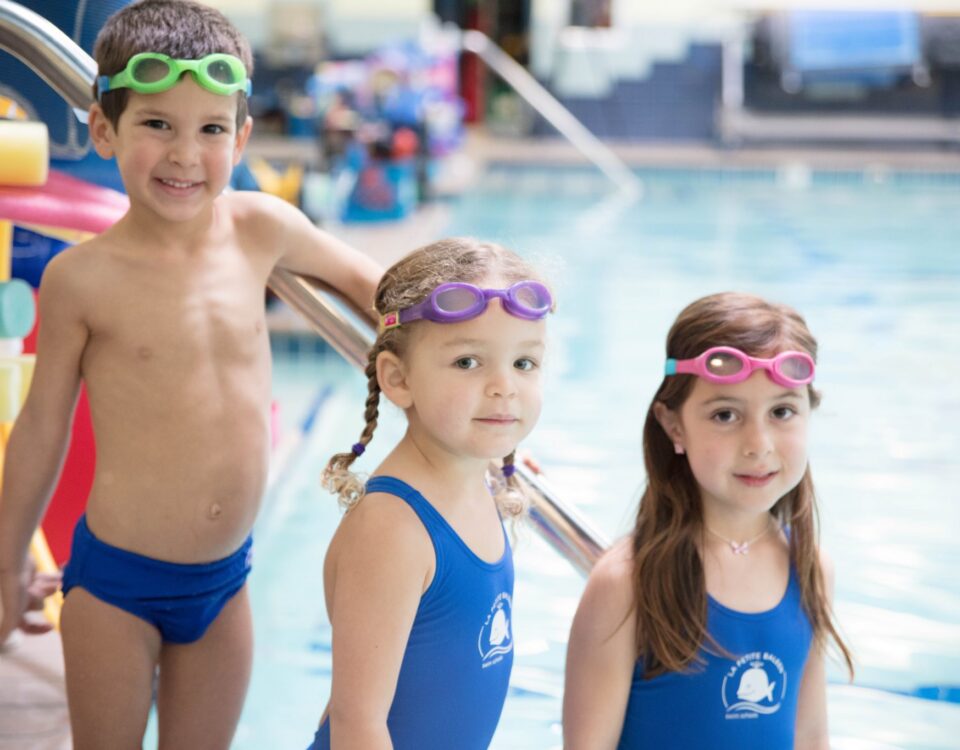
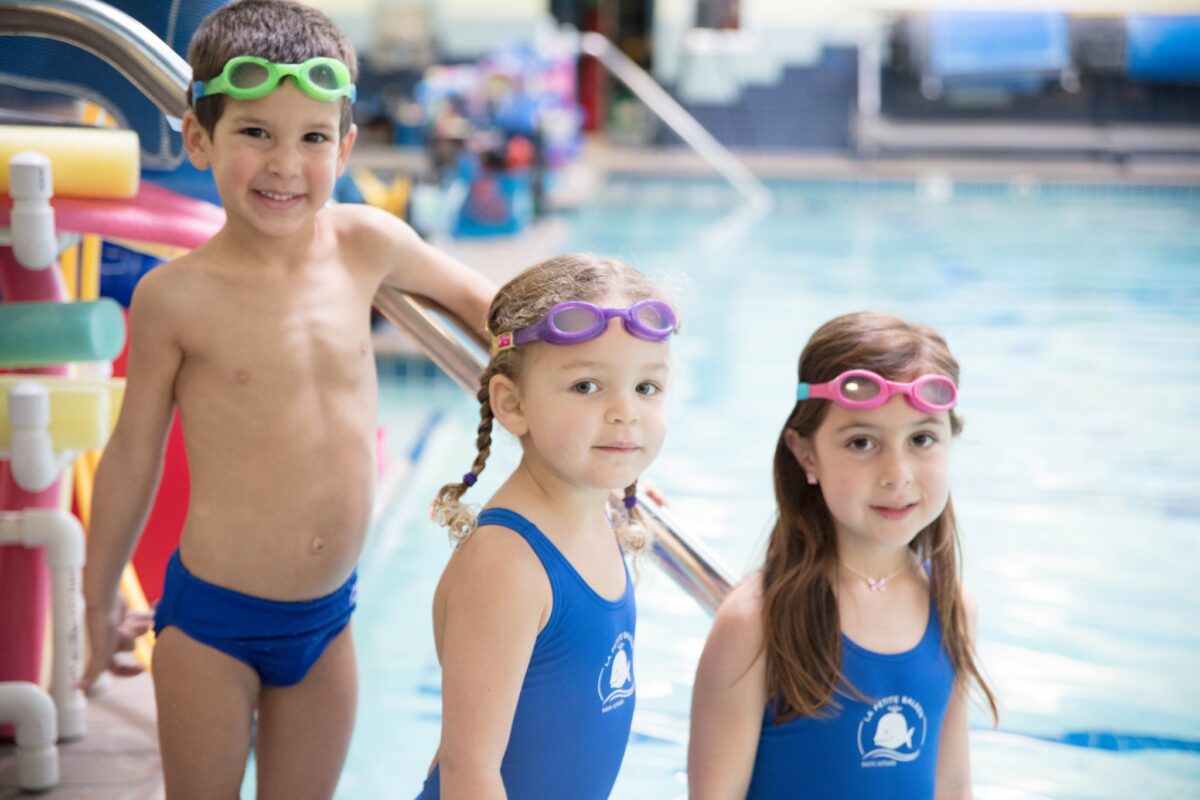
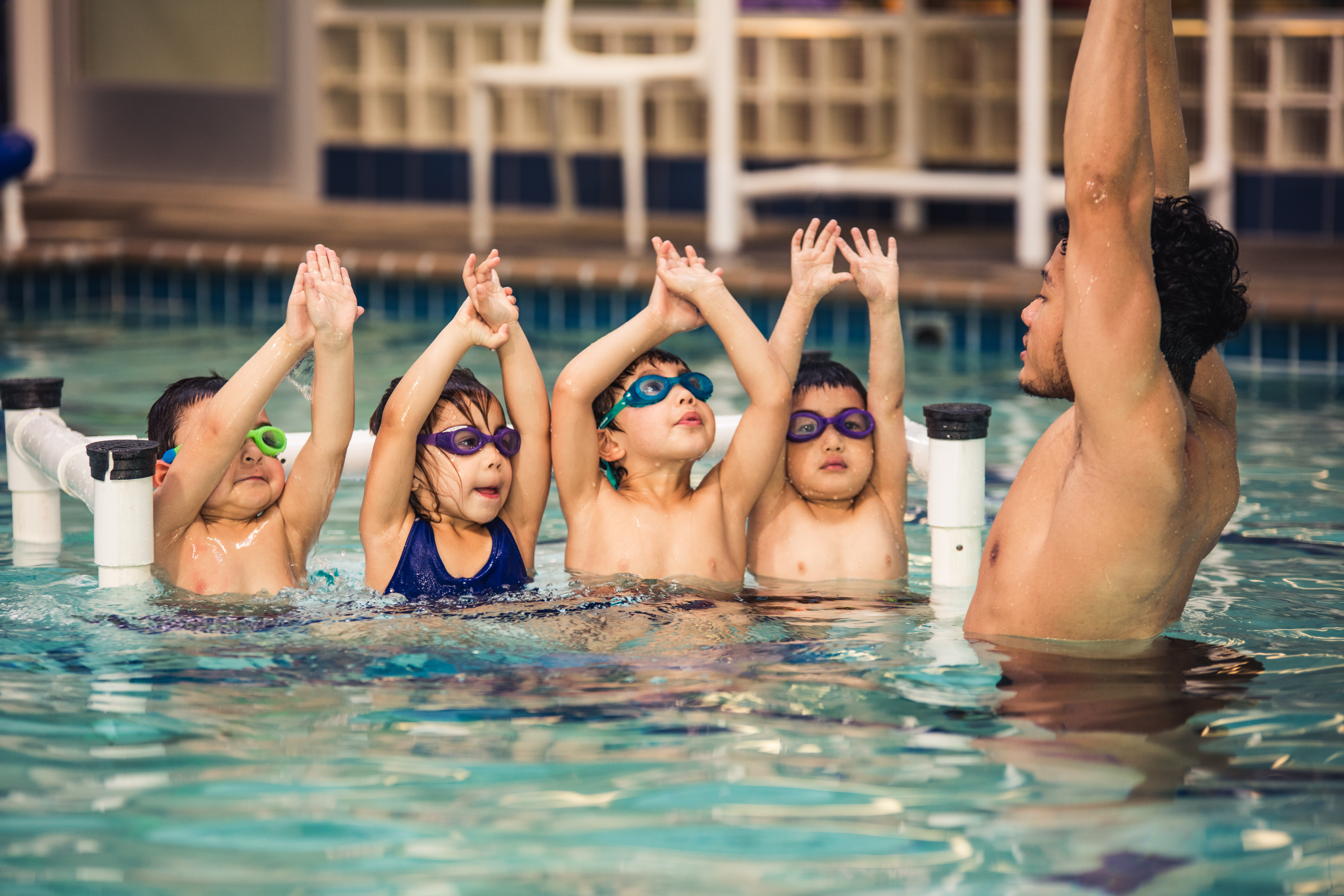
- Goggles: Provides sensory stimulation and visual perception development
- Balloon Face: Builds respiratory health
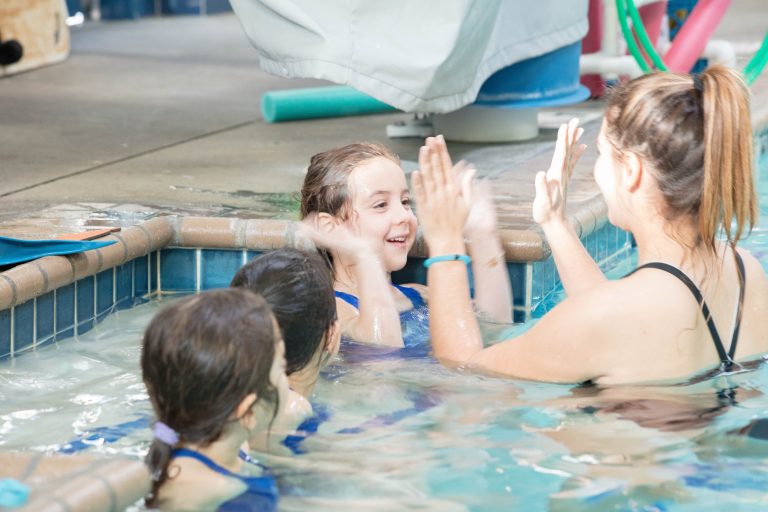
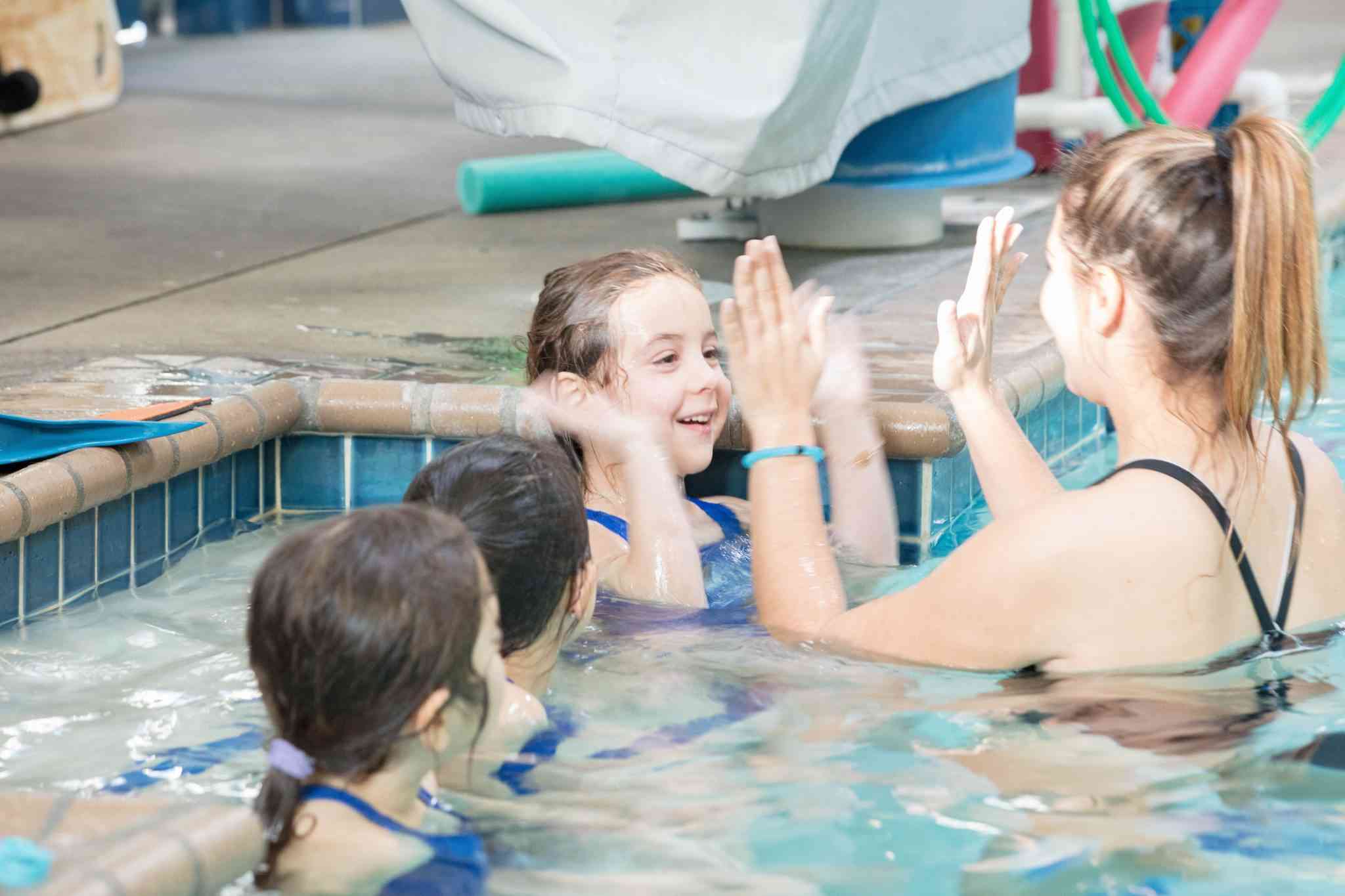
- Group Lessons: Proprioception and social development
Swimming provides a unique environment for sensory stimulation and neuromuscular integration. Skin is the largest organ of our body and our nerve endings are constantly providing feedback to the brain. When submerged in water, the body receives unique pressure which provides valuable proprioceptive feedback.
While stroke technique and water safety are always a part of swimming lessons, LPB focuses on the overall development of the child first.